
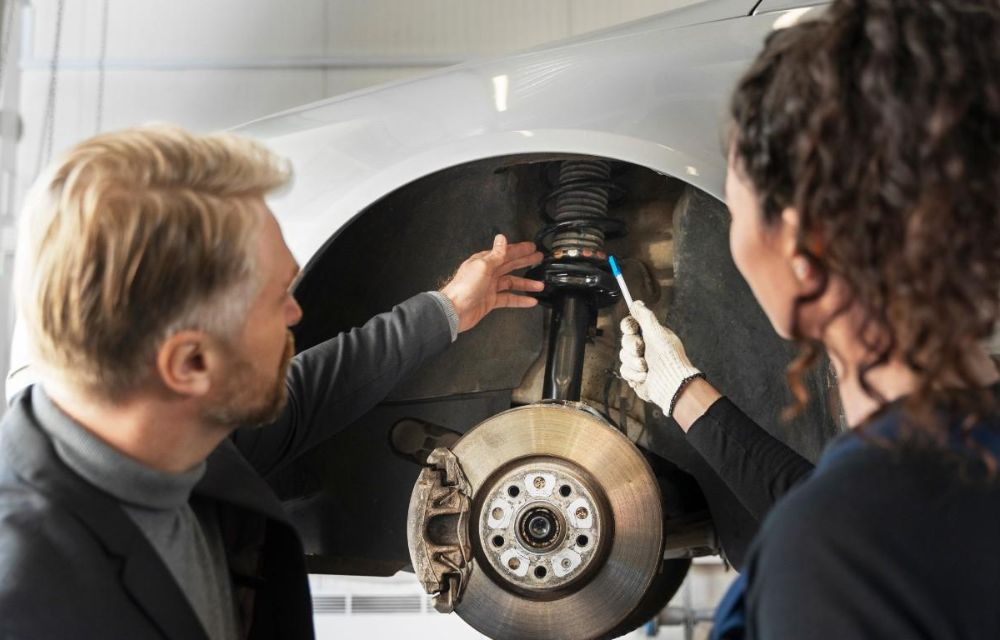
The Importance of Regular Brake Checks for Safe Driving
Posted on October 21, 2025
When it comes to car safety, most drivers think about seat belts, airbags, and headlights—but often overlook the most critical safety feature of all: brakes. Your vehicle’s braking system is the silent hero that stops you in your tracks when it counts. Neglecting regular brake checks can put your life, your passengers, and other road users at serious risk.
At Momentum Tyre Services, we emphasize proactive brake maintenance as an essential part of vehicle care. This guide will explore why regular brake inspections are crucial, signs you need maintenance, and how to ensure your brakes remain in peak condition for safe driving.
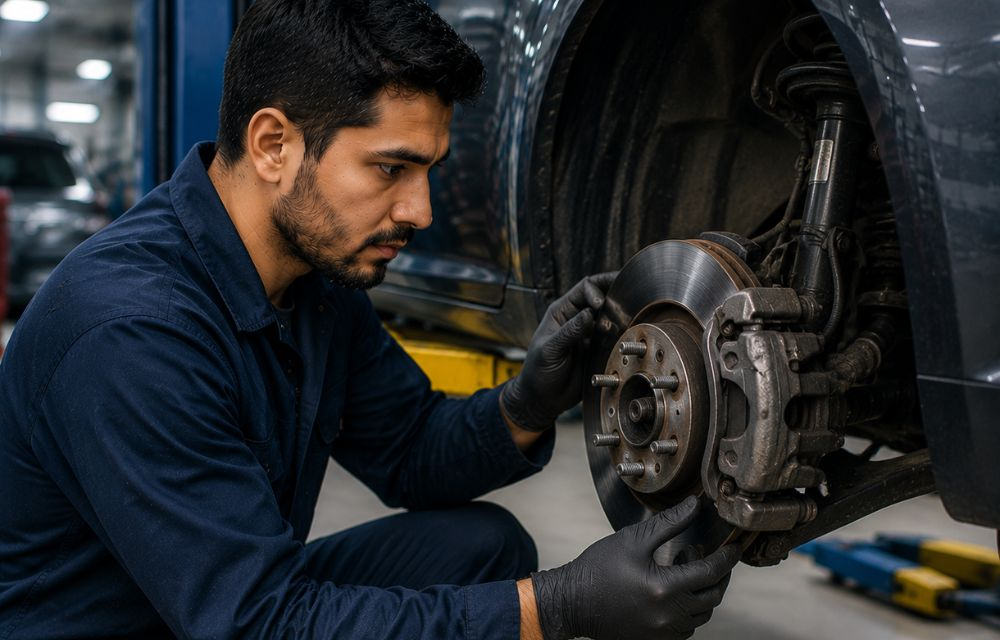
Why Brake Checks Are Vital for Safety
1. Brakes Are Your Primary Safety System
Brakes are literally the difference between stopping safely and a potential accident. Every time you press the brake pedal, multiple components—brake pads, rotors, calipers, brake fluid—work together to decelerate your vehicle. Any failure in this system can compromise safety.
Even a slight reduction in braking efficiency can increase stopping distances by several meters—a critical difference in city traffic or on highways in Dubai. Just think: at 80 km/h, your car travels approximately 22 meters per second. A few meters can mean hitting a curb, another car, or worse.
2. Prevent Expensive Repairs
Regular brake checks catch minor issues before they escalate. Worn brake pads, low brake fluid, or corroded rotors can cause bigger problems if ignored. Replacing pads is inexpensive; replacing a full braking system due to neglect can be hundreds or thousands of dirhams. Prevention saves money and hassle.
3. Maintain Vehicle Performance
Brakes affect overall handling and performance. Uneven or worn-out brakes can cause pulling to one side, vibrations, or unusual noises—all of which compromise control and comfort. Maintaining brakes ensures smooth, predictable responses whenever you need to stop.
4. Protect Your Tires and Suspension
Neglecting brakes doesn’t just affect stopping—it can impact other components, too. Slamming brakes on worn pads can create uneven tire wear and strain your suspension, leading to additional repairs. Regular checks help your entire vehicle system stay in balance.
Components of a Brake System You Should Inspect Regularly
Understanding the brake system helps you appreciate why regular checks are critical. Key components include:
| Component | Function |
| Brake Pads | Provide friction to slow down the wheels |
| Brake Rotors/Discs | Work with pads to stop the car efficiently |
| Brake Calipers | Press the pads against the rotors |
| Brake Lines | Carry brake fluid from master cylinder to brakes |
| Brake Fluid | Transfers pressure to activate braking |
| Parking Brake | Ensures the car stays stationary when parked |
Neglecting any one of these components can compromise the system. For instance, low brake fluid might result in a soft brake pedal, while worn pads reduce friction and increase stopping distance.
Signs Your Brakes Need a Check
It’s not always obvious when brakes are failing. Here are the most common warning signs:
- Squeaking or grinding noises: Indicates worn brake pads.
- Vibrations when braking: Usually a sign of warped rotors.
- Brake pedal feels soft or spongy: Could indicate low brake fluid or air in lines.
- Car pulling to one side: Uneven brake pad wear or caliper issues.
- Warning lights on dashboard: Don’t ignore the brake system light!
Real-life example: A driver in Dubai ignored a mild squeak for months, thinking it was “normal.” One day, the brakes failed during heavy traffic, causing a minor collision. Regular checks could have prevented it.
How Often Should You Get Your Brakes Checked?
The frequency of brake inspections depends on your driving habits, vehicle type, and road conditions. General recommendations:
- Every 10,000–15,000 km for pad and rotor inspection
- Brake fluid check every 2 years or per manufacturer’s guidance
- Visual inspection at every oil change
If you drive frequently in urban traffic, stop-and-go conditions, or on Dubai highways, more frequent checks are advisable.
DIY vs Professional Brake Inspections
While you can visually inspect brakes for obvious signs (like worn pads or fluid leaks), professional inspections provide:
- Accurate measurement of pad thickness
- Rotor condition assessment
- Brake fluid analysis
- Caliper and line checks
- Overall system diagnostics
At Momentum Tyre Services, certified technicians use advanced tools to ensure your brakes are functioning optimally, providing peace of mind that DIY checks may not offer.
Related Blog – Top Signs Your Brake Pads Need Immediate Replacement
Tips for Maintaining Brakes Between Checks
- Avoid sudden braking whenever possible: Smooth braking reduces wear and tear.
- Keep brake fluid clean: Replace it per manufacturer recommendations.
- Listen for unusual noises: Don’t ignore squeaks or grinding.
- Monitor dashboard warnings: A lit brake light is serious.
- Rotate tires regularly: Helps maintain even brake wear.
Consequences of Ignoring Brake Maintenance
Neglecting brake checks can have severe consequences:
- Accidents and injuries: The most critical risk.
- Vehicle damage: Uneven wear damages tires and suspension.
- High repair costs: Ignoring minor issues leads to expensive repairs.
- Reduced resale value: Worn brakes and damage affect car valuation.
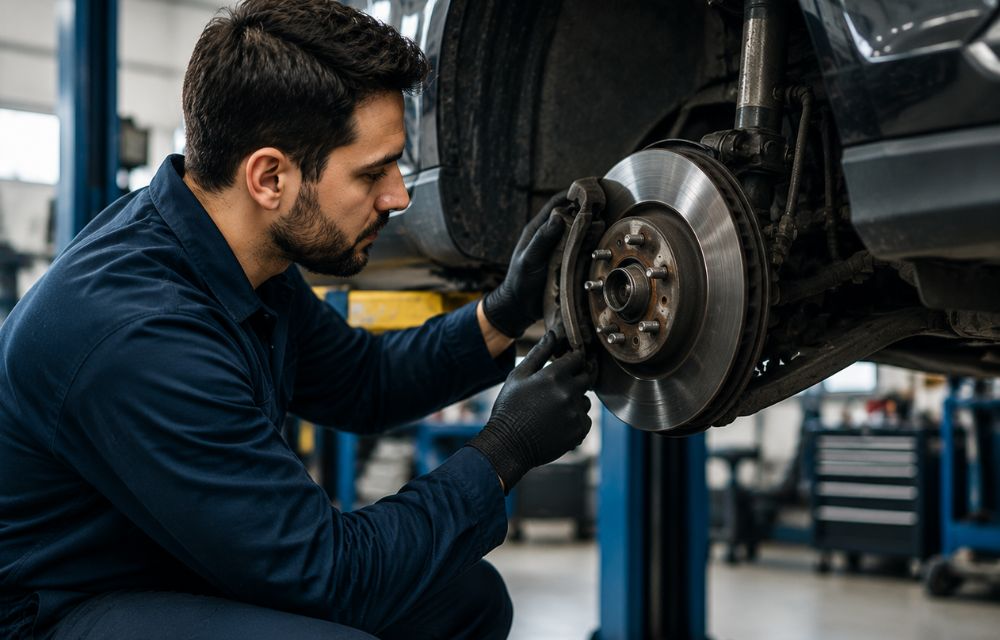
Conclusion
Your brakes are arguably the most crucial safety feature in your car. Regular brake checks ensure safe driving, reliable performance, and cost-effective maintenance. From worn pads and low fluid to warped rotors and uneven wear, proactive inspections prevent accidents and expensive repairs.
At Momentum Tyre Services, we provide comprehensive brake inspections, professional maintenance, and expert guidance to keep your car in peak condition. Whether it’s a routine check, brake pad replacement, or complete system diagnostics, our team ensures your vehicle is safe and road-ready. Don’t compromise on safety—trust Momentum Tyre Services to keep your brakes performing flawlessly.
FAQs
1. How often should I check my brakes?
Ideally, have your brakes inspected every 10,000–15,000 km or during every major service.
2. Can I drive with squeaky brakes?
It’s not recommended. Squeaks usually indicate worn pads, which reduce braking efficiency and safety.
3. What happens if brake fluid runs low?
Low brake fluid can cause a soft brake pedal and reduced stopping power, increasing the risk of accidents.
4. Are all brake noises serious?
While some noise may be harmless, any grinding or unusual vibrations should be inspected immediately by a professional.
5. Can bad brakes affect other car components?
Yes. Poor brakes can lead to uneven tire wear, suspension issues, and reduced handling performance.

