
Wheel Alignment vs Wheel Balancing: What’s the Real Difference?
Posted on July 7, 2025
If your vehicle has been pulling to one side or your steering wheel vibrates at high speeds, you might be due for a check-up—but is it wheel alignment or wheel balancing? Many drivers confuse the two, but they serve different functions, and both are crucial for safe and smooth driving.
In this blog, we’ll break down the difference between wheel alignment and wheel balancing, how to identify common signs of issues, and why regular service is important—especially on Dubai’s roads.
What is Wheel Alignment?
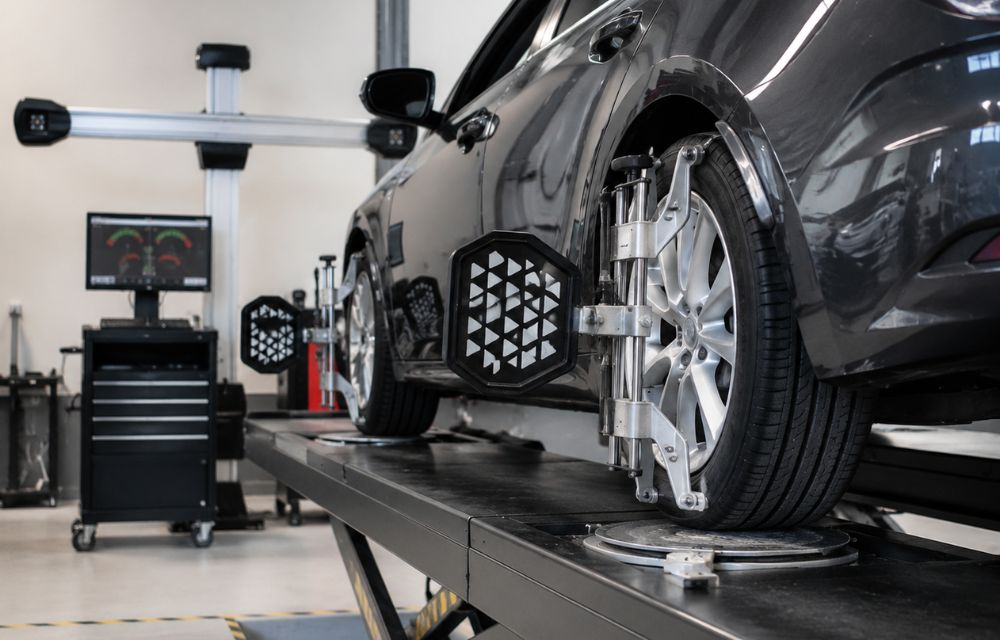
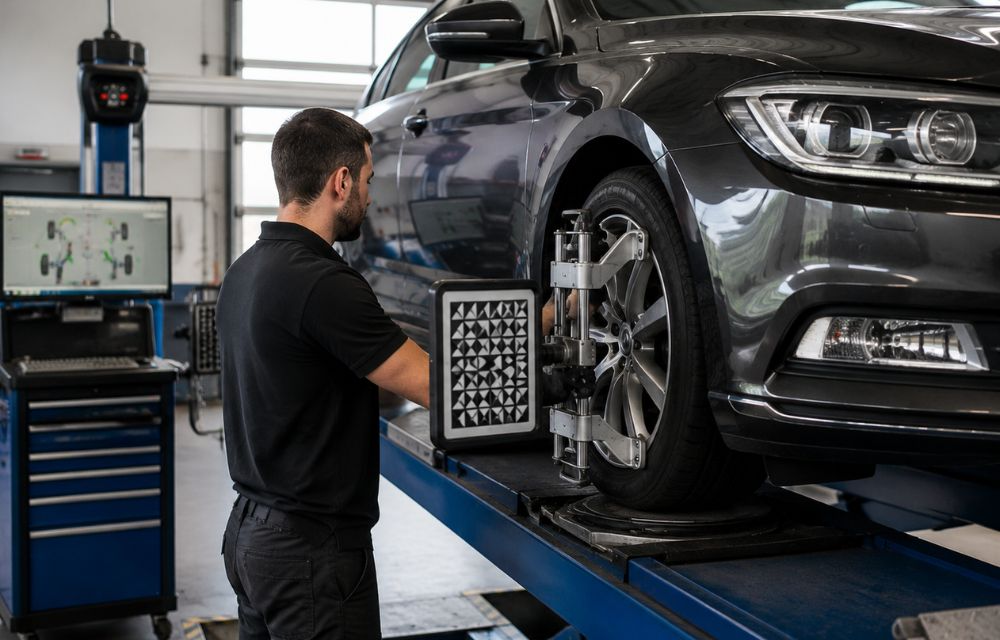
Wheel alignment (also known as tire alignment) refers to adjusting the angles of your vehicle’s wheels so they are set to the manufacturer’s specifications. This ensures that your tires meet the road properly.
Key Benefits of Proper Wheel Alignment:
1. Prevents uneven tire wear
2. Improves vehicle handling and steering response
3. Increases fuel efficiency
4. Reduces stress on suspension components
Common Signs You Need a Wheel Alignment:
1. Vehicle pulls to one side while driving
2. Crooked steering wheel even when driving straight
3.Uneven or rapid tire wear
4. Squealing tires
What is Wheel Balancing?
Wheel balancing involves equalizing the weight of the combined tire and wheel assembly so it spins smoothly at high speed. Small weights are added to ensure the tire rotates evenly.
Key Benefits of Wheel Balancing:
1. Eliminates steering vibration
2. Ensures a smoother ride
3.Prevents premature tire wear
4. Extends the lifespan of suspension parts
Common Signs You Need Wheel Balancing:
1. Steering wheel vibrations at higher speeds
2. Uneven tire wear patterns
3.Increased road noise
4. Tires wobble or bounce
The Real Difference: Alignment vs. Balancing
- While both services involve your car’s wheels and tires, their purposes are entirely different.
- Wheel alignment adjusts the direction and angle of your tires to ensure they are pointing in the right direction. It corrects problems with handling, pulling, and tire wear caused by misalignment.
- Wheel balancing, meanwhile, ensures that the weight around the wheel is evenly distributed. This service corrects vibrations and uneven tire movement caused by imbalanced rotation.
- In short: Alignment affects direction and steering, while balancing affects smoothness and vibration. Both services are essential for optimal vehicle performance—especially in a fast-paced city like Dubai where stop-and-go traffic and long-distance driving are part of everyday life.
Do You Need Both Services?
Yes—both wheel alignment and wheel balancing should be part of your regular car maintenance plan. They work together to maximize tire life, fuel economy, and driving comfort.
In fact, many professional tire shops recommend checking both during every tire change, rotation, or every 6–12 months, especially in climates like Qatar where heat and road conditions can wear down your components faster.
Also Read – Alloy Wheels vs. Steel Wheels: Key Differences
Why It Matters in Dubai
Driving in Dubai means dealing with extreme heat, desert dust, and long commutes. These conditions can accelerate tire wear and stress your suspension system. Regular wheel alignment and balancing are essential to keep your car stable, safe, and fuel-efficient on the road.
Conclusion:
Understanding the difference between wheel alignment and wheel balancing can save you from unexpected breakdowns and costly repairs. Whether you’re experiencing vibrations or steering issues, it’s time to get a professional inspection.’
Looking for expert wheel alignment and balancing services in Dubai or Qatar? Visit Momentum Tyres—your trusted local partner for reliable car care. Book your appointment today and drive with confidence!

